Environment

Pumping Iron

Pumping Iron

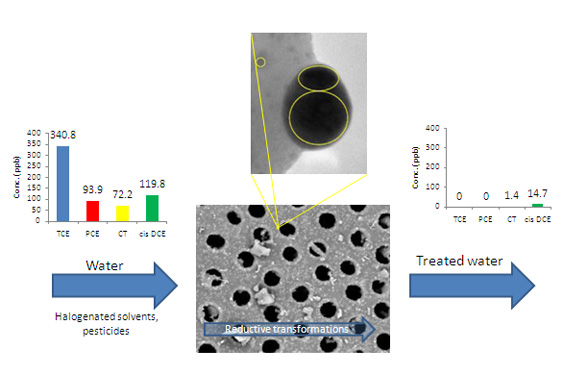
Iron and vitamin B12 are primarily recognized as dietary supplements. But when bound together with a third material, they can break down some of the worst water pollutants. Using these components, Weizmann Institute scientists designed a water treatment system that reduces many toxic chemicals to harmless compounds. Such a system could be placed in the path of underground flow to clean the water before it ever reaches the pipes, or it could be used to treat polluted water pumped from below ground. The system is especially designed to treat such man-made substances as pesticides, cleaning fluids and flame retardants that don't resemble anything found in nature, so that few natural mechanisms exist to break them down. A chemical reaction splits the molecules of these harmful substances apart in such a way that bacteria or other natural processes can finish the job.
read more...

Balancing the Budget

Balancing the Budget

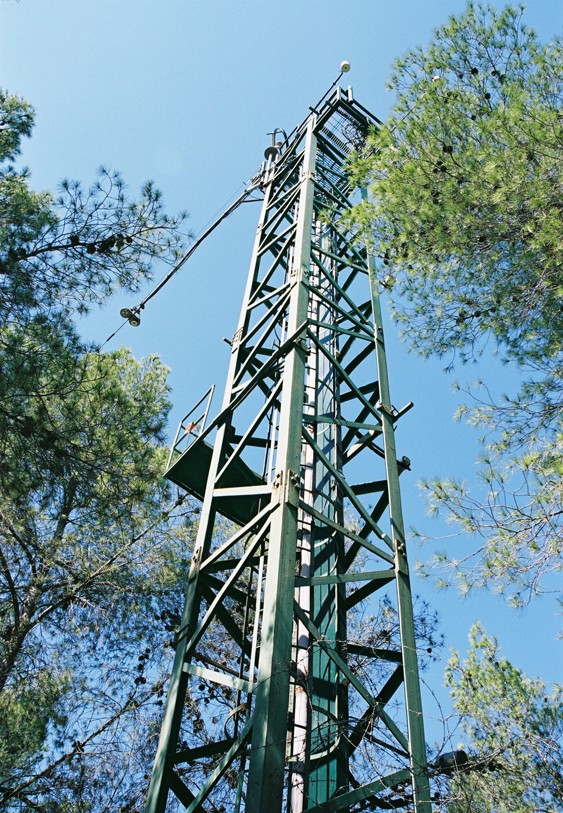
The simple formula we've learned in recent years – forests remove the greenhouse gas CO2 from the atmosphere, therefore forests prevent global warming – may not be quite as simple as we thought. Long-term studies conducted at a research station operated by Weizmann Institute scientists – the Yatir Forest station in the northeastern Negev desert – suggest that certain forests can directly absorb and retain heat. Forests absorb a greater amount of solar energy than the surrounding sand and scrub of the desert, and they store a part of the heat. These effects may be strong enough to cancel out some of the benefits of lowered CO2. Climate change therefore depends on the balance between these two contradictory phenomena.

read more...

Have Dust – Will Travel

Have Dust – Will Travel

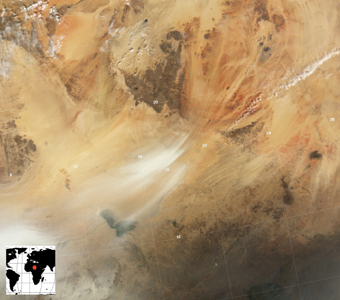
Surprising research by Weizmann Institute scientists found that the Amazon rainforest owes its existence to dust that comes from the world's largest desert – the Sahara. Torrential rains in the Amazon region continuously wash minerals out of the soil. These are replaced by new minerals carried in dust blown over 5,000 km across the Atlantic Ocean, much of it from a specific valley in the Sahara. Scientists believe that without a steady supply of vital minerals, the Amazon region would become a wet, but largely lifeless, desert.

read more...

The journey into the unknown

Weizmann institute scientists embark on a fascinating journey into the unknown, it their endeavor to better understand nature and our place in it.

In this station, you will see some the richness of the research fields in which our scientists work, as well as some of the new insights and discoveries that will shape our future.