Archaeology

Joint German-Israeli Center
Joint German-Israeli Center

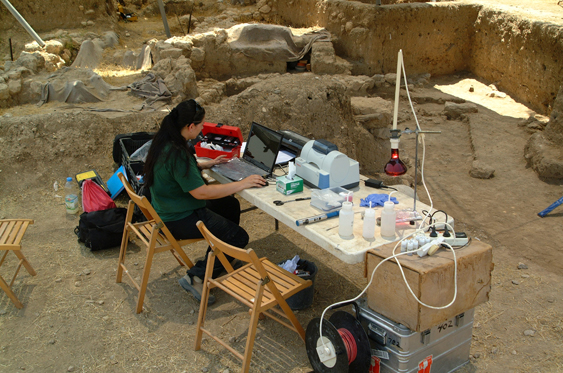
When did modern humans arrive in Europe and Asia? At what rate have cultural changes spread from one region to another throughout history? How did Neanderthal teeth and bones differ from ours? These are examples of topics to be investigated in the Max Planck – Weizmann Institute of Science Center in the Field of Integrative Archaeology and Anthropology. The group at the Weizmann Institute in Rehovot aims to shed new light on fascinating aspects of cultural change in human history. The scientists will conduct much of the work in the field, performing a scientific analysis of findings at the archaeological site itself, to be followed up by laboratory studies using high-resolution radiocarbon dating and accelerator mass spectrometry.
read more...

Fine China

Fine China

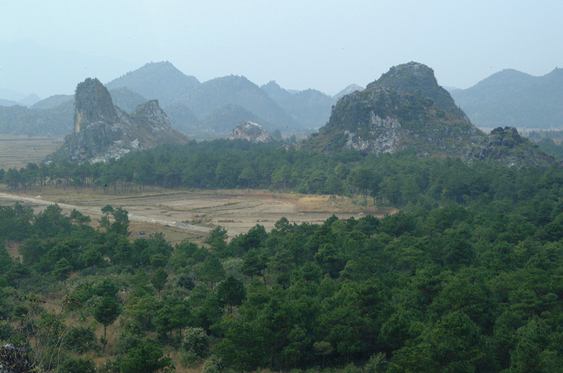
China gave the world porcelain: The name of the country is synonymous with elegant ceramic dinnerware. But did China also give the world its first clay pottery? Until now, there have been several contenders for that title, most notably Japan and eastern Russia. A team of scientists at the Weizmann institute have conclusively dated the most ancient pottery yet discovered to more than 18,000 years ago. This gives the award for the earliest known use of ceramic technology to the prehistoric residents of the Hunan region in southern China.

read more...

Past Perfect

Past Perfect

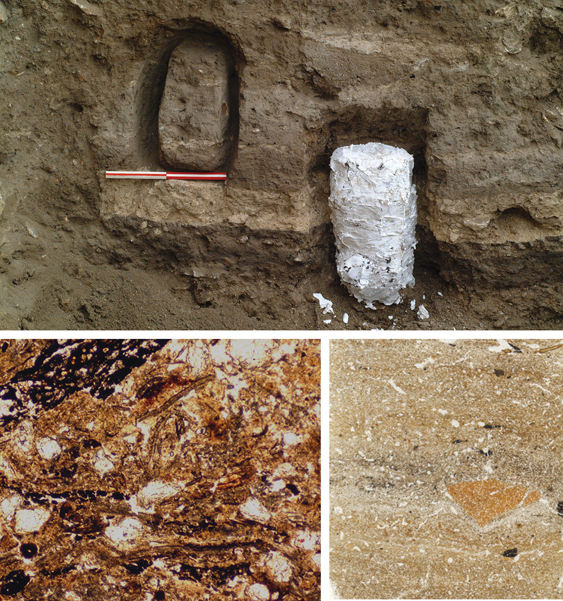
Ethno-archaeologists study today's traditional societies in order to learn about the lifestyles of ancient cultures. Weizmann Institute scientists combine geology with ethno-archaeology to investigate natural and man-made materials, using insights from today's materials to understand the past. For example, the scientists discovered that the white powder found on surfaces at the Tel Dor site originated in the dung of livestock kept in enclosures. These findings provide new insight into the nature of the so-called “urban revolution” thought to have occurred in antiquity in the Mediterranean region. Other studies may shed light on questions relating to the history of the Land of Israel and the historical accuracy of the Bible.

read more...

The journey into the unknown

Weizmann institute scientists embark on a fascinating journey into the unknown, it their endeavor to better understand nature and our place in it.

In this station, you will see some the richness of the research fields in which our scientists work, as well as some of the new insights and discoveries that will shape our future.