
Structural Biology

Proof of Principle

Proof of Principle

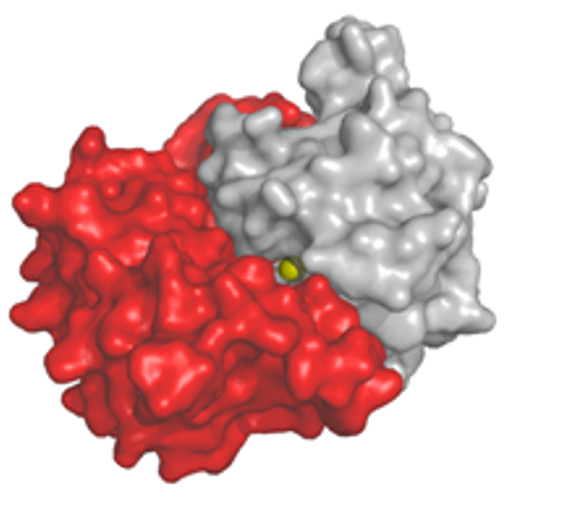
Cabbage Looper Moth caterpillars have a bad rap due to their destructive eating habits, but Weizmann Institute scientists have shown that they could be a useful tool in the production of human protein. The ability to produce large quantities of specific human proteins is crucial for life sciences research, and it is at the heart of the biotechnology and biomedical industries. A protein expression system using whole insect larvae, confirming offers a cost-effective method of producing large quantities of human proteins, but until recently it was not known whether the proteins generated in this system are indeed identical to human proteins. Weizmann Institute scientists have deciphered the structure of a human enzyme isolated from the larvae, and confirmed that its structure and function are identical to previous examples of this enzyme isolated from cultured insect cells. The system provides an invaluable tool for researchers and industry, alike.
read more...

Why Fish Scales Shine

Why Fish Scales Shine

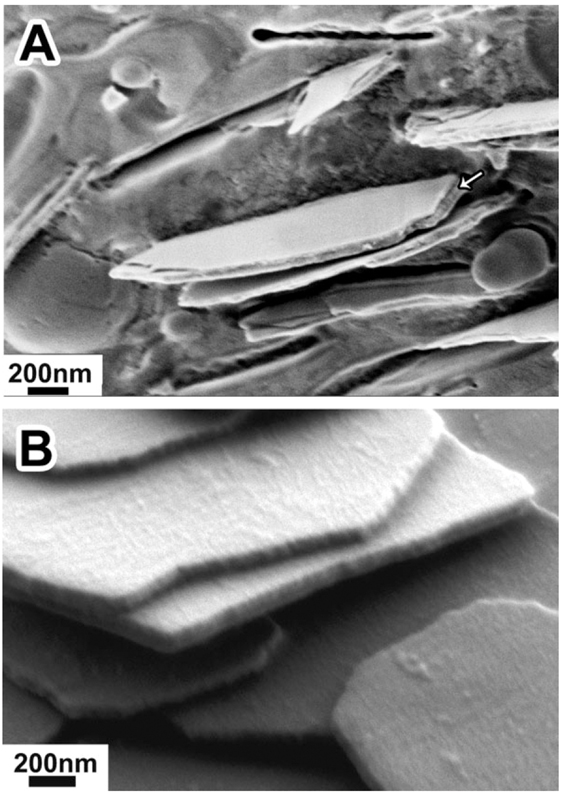
How do fish get their shimmering, iridescent scales? It's a question that has intrigued scientists for centuries. By the 1860s researchers had discovered the material responsible: guanine, later identified as one of the four nucleic acids that make up DNA. The advent of advanced microscopic methods gave scientists the ability to examine the guanine crystals in more detail. Weizmann Institute scientists found that guanine crystals create thin, flat plates, which reflect light strongly in one direction. When these plates are stacked one atop the other, the light reflecting back from the various layers interferes with the incoming light rays, producing the shimmering effect.

read more...

Immune System Tricks

Immune System Tricks

A team of scientists from the Weizmann Institute has turned the tables on an autoimmune disease. In such diseases, including Crohn's and rheumatoid arthritis, the immune system mistakenly attacks the body's tissues. The scientists managed to trick the immune systems of mice into attacking an enzyme involved in autoimmune processes, as well as aiding in the process of cancer metastasis. The scientists created synthetic molecules similar to the enzyme's active site, which then induced antibody production in the mice. When they injected these antibodies into mice suffering from a disease mimicking Crohn's, the treatment prevented symptoms of the disease.

read more...

The journey into the unknown

Weizmann institute scientists embark on a fascinating journey into the unknown, it their endeavor to better understand nature and our place in it.

In this station, you will see some the richness of the research fields in which our scientists work, as well as some of the new insights and discoveries that will shape our future.