Chemistry

Israel Prize to Prof. David Milstein
Israel Prize to Prof. David Milstein

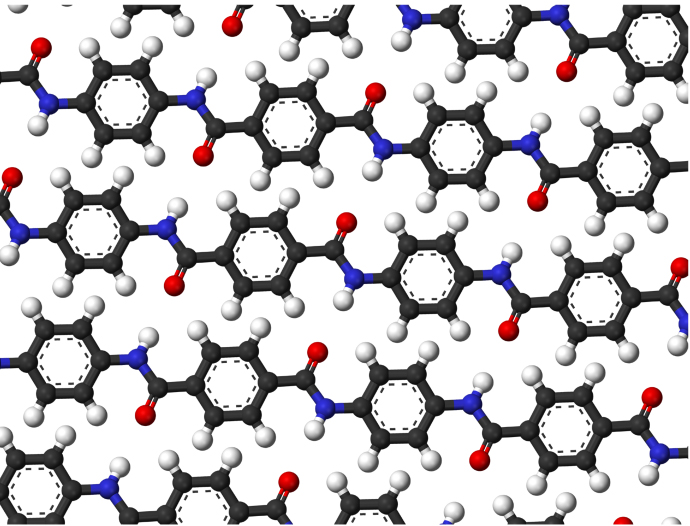
On Israel Independence Day, the Institute's Prof. David Milstein received the 2012 Israel Prize for chemistry and physics. Based on principles he discovered, including new ways to selectively activate chemical bonds, he developed novel catalysts that are environmentally friendly. One such method, involving amide bonds, was cited by Science magazine in 2007 as one of ten “breakthroughs of the year.” Amide bonds are a fundamental component in chemical and biological systems: the “glue” that binds amino acids together. Without them, proteins would not exist. Amide bonds are also a crucial factor in many synthetic materials, including nylon and kevlar. Therefore, efficient methods for creating amide bonds are very desirable in the chemical industry. The method is based on reacting a nitrogen-based compound with an alcohol, with help from a “smart” catalyst that Milstein and his team designed. This combination helped to increase the rate of the chemical reaction, without producing toxic waste. Moreoever, the “smart” catalyst does not get used up and can be recycled, resulting in a highly efficient, economical and environmentally-friendly process.
read more...

Quantum Forecast

Quantum Forecast

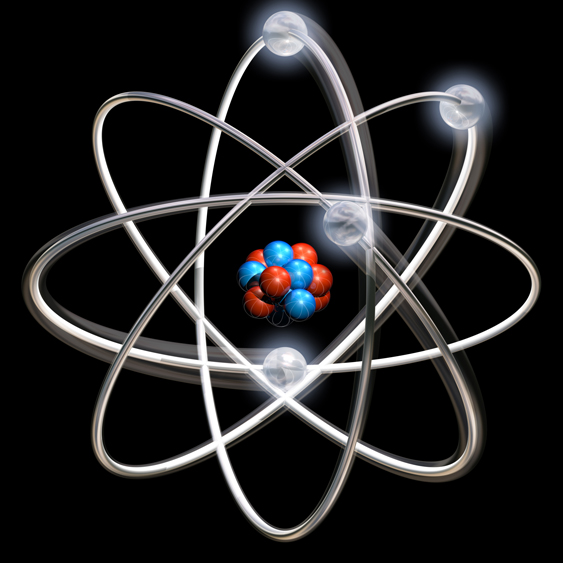
The properties of a material are determined by its atomic structure – its arrangement of protons, neutrons and electrons – yet it turns out that these characteristics alone are not enough to enable scientists to predict the material's properties. In order to predict the mechanical and optical properties of a material, one must understand the nature of the chemical bonds between its atoms and the interactions between the electrons that surround them. Such an understanding can be obtained through calculations based on the laws of quantum theory. A Weizmann Institute scientist uses approximation methods to predict the properties of materials, some of which may be central to new technologies. For instance, so-called spintronic materials, such as semiconductors, can produce electron flow characterized by a uniform spin. Other such materials may be used in future electronic devices, and could form the basis for quantum computers.

read more...

Green Chemistry

Green Chemistry

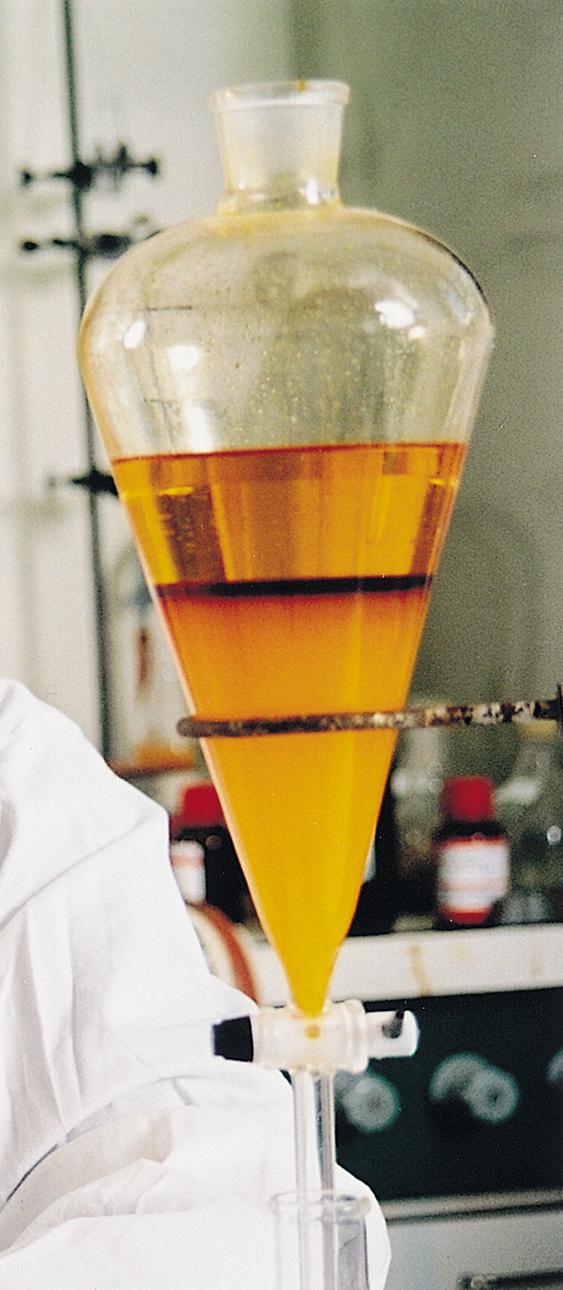
“Green” chemistry – devising environmentally friendly chemical processes that avoid hazardous substances – is pursued in a number of Institute labs. Common industrial oxidation methods are highly polluting, often producing poisonous substances that are not incorporated into the final product and end up as chemical waste. A Weizmann Institute scientist developed a method to generate plastic materials using “green” oxidation, a process that leaves behind no hazardous waste. In this approach, oxygen obtained from air is used as a reactant, with water being the main waste product. The next goal is to adapt the reaction for industrial use.

read more...

The journey into the unknown

Weizmann institute scientists embark on a fascinating journey into the unknown, it their endeavor to better understand nature and our place in it.

In this station, you will see some the richness of the research fields in which our scientists work, as well as some of the new insights and discoveries that will shape our future.