Biomedical Research

Antioxidants: Food Supplement or Birth Control?
Antioxidants: Food Supplement or Birth Control?

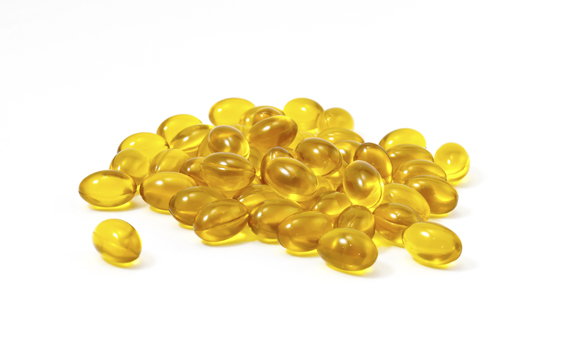
Antioxidants such as vitamins C and E are sold over the counter everywhere; they are added to food, drink and even cosmetics. But scientists still do not have a complete understanding of how they act in our bodies. A Weizmann Institute scientist has revealed a possible unexpected side effect of antioxidants: They might block fertility in females. Antioxidants work by eliminating molecules called reactive oxygen species, which damage cells indiscriminately. However, when antioxidants were applied to the ovaries of female mice, it was discovered that the reactive oxygen species play an essential role in the ovulation process; introducing antioxidants significantly hindered the process.

read more...

The Lab Mice that Didn't Get Fat

The Lab Mice that Didn't Get Fat

A Weizmann Institute study has revealed an important factor that contributes to obesity. The study explains how and why a certain protein that is active in a small part of the brain encourages weight gain. The protein was discovered by accident when scientists genetically engineered mice to lack this protein, thinking it might play a role in osteoporosis. The scientists were surprised to discover that the weight of the genetically engineered mice remained stable even when fed a high-fat diet. The reason, it turns out, is related to the hormone leptin – a key player in body mass regulation, which signals satiety, reduces appetite and increases physical activity. Mice lacking the protein were highly sensitive to leptin; and they remained so despite aging, ovary removal or high-fat diets.

read more...

Back to the Future

Back to the Future

Time travel is still science fiction. But cells can “journey back in time” to a very early stage in their development. That is, scientists have learned how to reprogram adult cells that have already differentiated into specialized cells, turning them back into stem cells that have the potential to become any type of cell in the body. Such stem cells might, in the future, be used in gene therapy or in the rehabilitation of damaged organs. The reprogramming process, however, is still basically a “black box” – scientists still don't know exactly what is happening inside those cells. A team of scientists at the Weizmann Institute has discovered an enzyme responsible for exposing and repackaging the genetic material. In this way, the genes required for reprogramming cells are exposed, allowing the process to take place. The scientists also discovered that this enzyme is involved in the production of sex cells in the developing embryo and therefore, the findings may be relevant for understanding infertility as well.

read more...

The journey into the unknown

Weizmann institute scientists embark on a fascinating journey into the unknown, it their endeavor to better understand nature and our place in it.

In this station, you will see some the richness of the research fields in which our scientists work, as well as some of the new insights and discoveries that will shape our future.