Cancer Research

Universal Donor Immune Cells

Universal Donor Immune Cells

The immune system has many weapons to fight cancer, but unfortunately, they are not always sufficient. One of the latest attempts to boost the body's defenses against cancer is based on injecting immune cells engineered especially for this purpose. The main method involves the patients receiving a therapeutic injection of their own immune cells, but this is not always technically feasible. Weizmann Institute scientists have developed an alternative method, which relies on a donor pool of immune T cells that can be prepared in advance, rather than on the patient's own cells, together with the mild suppression of the immune system to temporarily prevent the donor cells from being rejected. This approach proved effective at destroying tumors in mice.
read more...

p53 Turns Thirty

p53 Turns Thirty

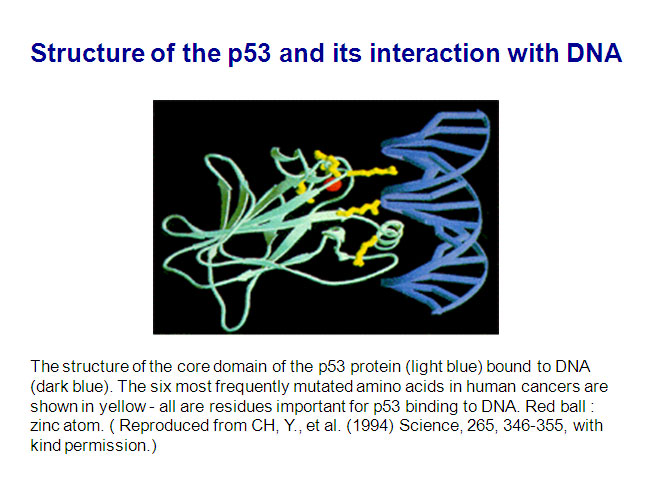
Beginning with its discovery over 30 years ago, Institute scientists have been at the forefront of research on one of the most studied genes ever – p53 – a key player in turning healthy cells into cancerous ones. At first, this gene was thought to cause cancer, but further analysis revealed that this gene actually protects against the development of this disease – earning it the nickname “guardian of the genome.” Mutations in the p53 gene account for about half of all cancer occurrences in humans. Weizmann Institute studies explore two avenues of research: understanding the role of the unmutated gene in healthy cells and understanding how mutations in the gene lead to cancer.

read more...

Resisting Division

Resisting Division

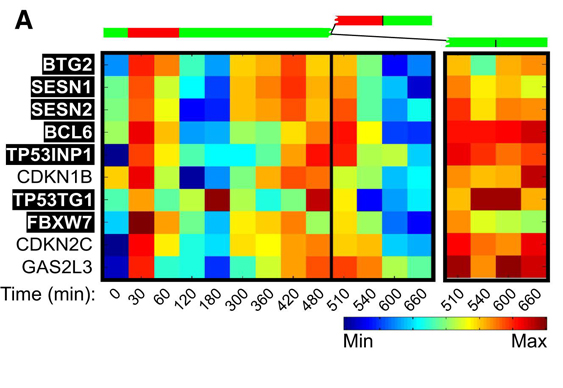
Substances known as growth factors abound in our bodies, but only cancerous cells are quickly “tempted” by these chemicals to divide again and again. Healthy cells, in contrast, divide only after being exposed to growth factors for eight continuous hours. What happens during these eight hours in a healthy cell when it resists the call to divide? And even more importantly, what fails to work properly in the cancer cell in that same time? Answers to these questions have emerged from research conducted by Weizmann Institute scientists. It turns out that when a cell first receives a signal from a growth factor, a group of genes is activated that puts a “brake” on cell division. This group of genes is controlled by the familiar tumor suppressor gene, p53. In cancerous cells in which p53 is mutated, the “braking system” fails to function. This research may contribute to the development of new, effective approaches to chemotherapy.

read more...

The journey into the unknown

Weizmann institute scientists embark on a fascinating journey into the unknown, it their endeavor to better understand nature and our place in it.

In this station, you will see some the richness of the research fields in which our scientists work, as well as some of the new insights and discoveries that will shape our future.