Biochemistry

Rescuing the Rescuers
Rescuing the Rescuers

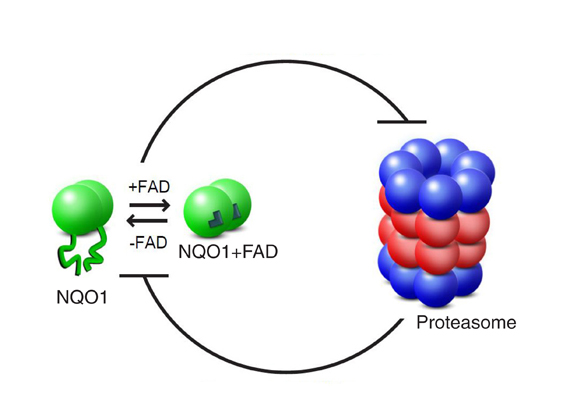
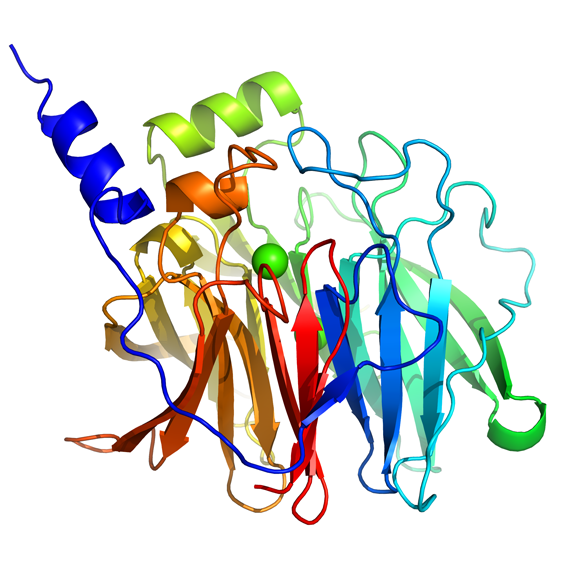
Recycling is a constant cellular activity – a way to reuse the proteins that are damaged or no longer useful. But how does the cell avoid consigning to the recycling bin those proteins that are still serving important functions? Research by Weizmann Institute scientists reveals how one enzyme works to rescue vital proteins from unwanted demolition. This enzyme rescues, among other things, two proteins that help stop cancerous growth and thus, it may play a role in protecting against cancer. It turns out that the relationship between the enzyme and the “recycling bin” is based on a sort of mutual deterrence. The enzyme can block the actions of the recycling bin, rescuing other proteins in the process, while the recycling bin dismantles enzymes that lack a complete structure.
read more...

Engineered Enzyme Protects against Nerve Gas

Engineered Enzyme Protects against Nerve Gas

Protection against a nerve gas attack is still a necessary part of national defense plans, but existing medical solutions in the case of exposure are incomplete. A multidisciplinary team of scientists at the Weizmann Institute succeeded in developing an enzyme that efficiently breaks down certain forms of nerve gas before damage to nerves and muscles can ensue. Experiments have shown that when small amounts of these enzymes were given preventively, they afforded animals near-complete protection against two types of nerve agents, even at relatively high exposures.

read more...

Stopgap DNA Repair Needs a Second Step

Stopgap DNA Repair Needs a Second Step

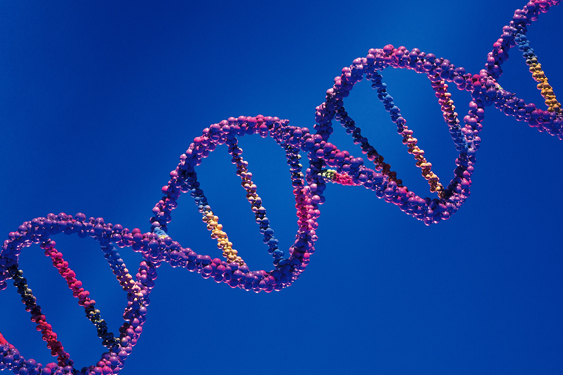
Considering the DNA of each cell is damaged about 20,000 times a day – by radiation, pollutants and harmful chemicals produced within the body – it's obvious that without effective DNA repair, life as we know it could not exist. Weizmann Institute scientists studied the process of DNA repair and discovered that two types of enzymes are required in the process: A repair enzyme does its best to fit in a genetic "letter" into the gap, opposite the damaged site in the DNA molecule; then another enzyme, "the extender", helps to restore regular copying of DNA by attaching additional DNA letters after the damaged site. Understanding how this major form of DNA repair works can have significant clinical implications, including improving the effectiveness of cancer drugs.

read more...

The journey into the unknown

Weizmann institute scientists embark on a fascinating journey into the unknown, it their endeavor to better understand nature and our place in it.

In this station, you will see some the richness of the research fields in which our scientists work, as well as some of the new insights and discoveries that will shape our future.